Key takeaways
- Hold a pre-start meeting with the business manager, site manager and designated safeguarding lead before each phase.
- Segregate work areas physically, with separate routes for operatives and deliveries.
- Confirm the school’s safeguarding requirements under KCSIE, and supervise anyone who has not been checked.
- Plan every fire alarm isolation in advance, with cover while detection is reduced.
- Protect exam periods and keep noisy work to holidays, weekends and after school.
In this article
- Understanding the Challenges of Working in Schools
- Before Work Starts: The Pre-Start Meeting
- Segregation and Safe Routes
- Safeguarding in Practice
- Fire Safety While the Work Is Under Way
- Noise, Dust and the School Timetable
- Communication and Progress Updates
- Planning Work Areas and Handover
- Example: Delivering a School Electrical Rewire
- Frequently asked questions
Most of our school projects are carried out during school holidays and evenings, allowing us to undertake major electrical, mechanical, fire safety and refurbishment works with minimal disruption to teaching.
For larger projects that extend beyond the holidays, we plan our working hours and construction activities around the school’s requirements, ensuring safeguarding, safety and communication remain a priority.
We put people first, always. From the building’s occupants to our own team and the trusted partners who share our standards and commitment.
 Kevin Pritchard MIETDirector, Pritchard Group
Understanding the Challenges of Working in Schools
The hazards on a school site are the same as on any construction site: electricity, work at height, hot works, dust, vehicles and heavy materials. What is different is who is nearby. Children are curious, move in large groups at predictable times, and do not always recognise danger. Staff are focused on teaching, not on what the contractor is doing.
A plan that works in an empty office building will not work here. Routes, timings, fire arrangements and safeguarding all need to be agreed with the school before work starts, and reviewed at every new phase.
Before Work Starts: The Pre-Start Meeting
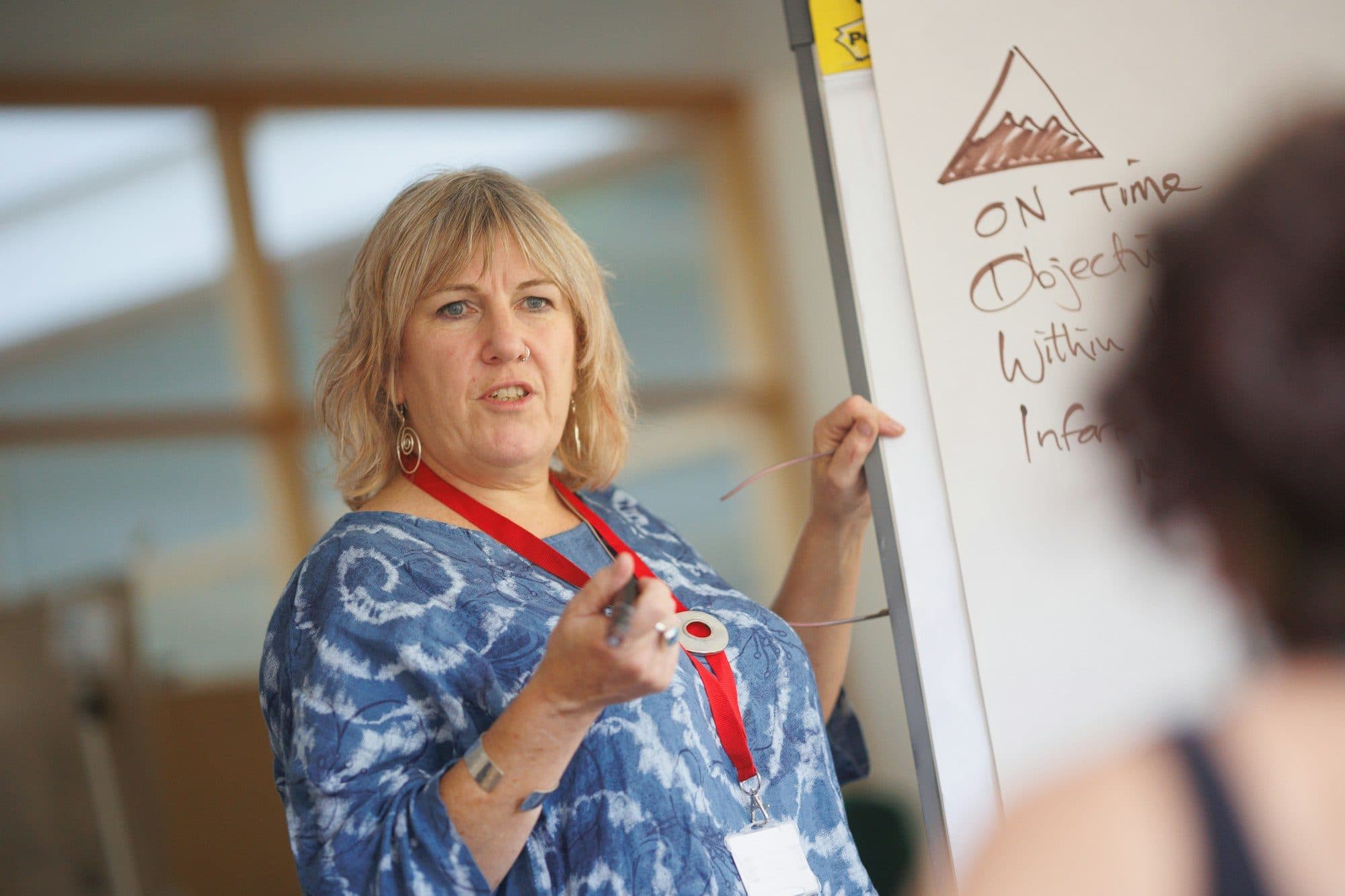
Before starting on site, we meet with the school and appointed consultant to discuss how the works will be managed. This includes agreeing access arrangements, working hours, safeguarding requirements, site logistics and any planned shutdowns.
For projects taking place during school holidays or evenings, we establish suitable arrangements for access, security and site supervision.
Where works extend over longer periods, these arrangements are reviewed as the project progresses and updated where necessary.
What we agree at every pre-start meeting
- The exact boundary of the work area and how it will be segregated
- Routes for pupils, staff, our operatives and deliveries
- Signing-in, ID and safeguarding requirements
- Fire alarm isolations, emergency lighting and escape routes
- Times when noisy work, deliveries and shutdowns are allowed
- Exam dates, events and any other times the school needs quiet
- Who receives the weekly look-ahead, and who to call in an emergency
- The order in which zones will be handed back
Everything agreed goes into the site-specific Construction Phase Plan required under CDM 2015, so it is not just a conversation that is forgotten by week two.
- Working arrangements agreed with the school and appointed consultant before construction begins.
- Pre-Start CoordinationWorking arrangements agreed with the school and appointed consultant before construction begins.
- A named project contact, regular progress updates and advance notice of planned activities or shutdowns.
- Clear CommunicationA named project contact, regular progress updates and advance notice of planned activities or shutdowns.
- Construction programmes tailored around school holidays, evening working and the operational requirements of each site.
- Planned & Coordinated DeliveryConstruction programmes tailored around school holidays, evening working and the operational requirements of each site.
Segregation and Safe Routes
Physical Separation
Although the majority of our school works take place during holidays and evenings, we recognise that schools may still have staff, cleaners, caretakers and other authorised visitors on site.
We establish suitable segregation and access arrangements for each project, including temporary barriers, hoarding, locked doors and appropriate signage where required.
At the end of each shift, work areas are made safe and secured, with tools and materials stored appropriately.
Deliveries and Vehicles
Deliveries, waste collections and vehicle movements are planned around the school’s operational requirements.
Where works take place during term time, we coordinate deliveries to avoid pupil arrival, break and departure periods wherever practicable.
Vehicle movements are managed through appropriate traffic management arrangements, including banksmen where required by the site-specific risk assessment.
Key Arrangements
- Designated construction access routes where practicable
- Deliveries coordinated around school activities
- Appropriate vehicle and pedestrian segregation
- Secure storage of materials, tools and equipment
- Work areas made safe and secured at the end of each shift
Safeguarding in Practice
Safeguarding remains a priority on every school project, regardless of whether works take place during term time, evenings or school holidays.
Before commencing works, we confirm the school’s safeguarding requirements, including site access arrangements, signing-in procedures, identification and any necessary DBS checks.
Our team includes personnel who hold Enhanced DBS checks, and we ensure that appropriate checks, supervision and access arrangements are established in accordance with the school’s requirements and applicable Keeping Children Safe in Education (KCSIE) guidance.
We also recognise that schools may remain occupied outside normal teaching hours, with staff, contractors, holiday clubs and other authorised visitors on site.
Our project managers and site supervisors ensure that agreed safeguarding procedures are communicated to everyone working on the project, including our specialist subcontractors.
Fire Safety While the Work Is Under Way
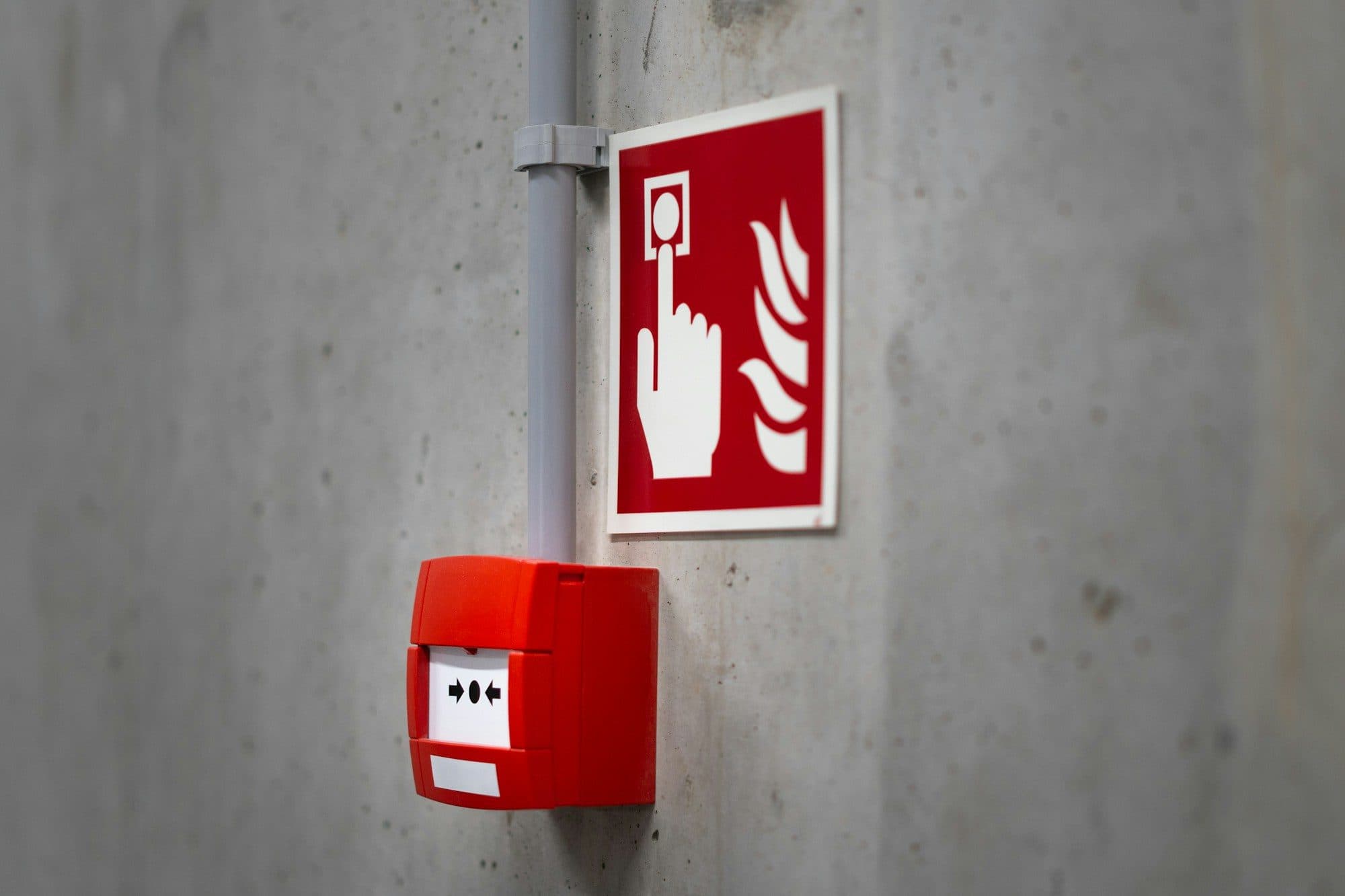
Fire safety is an important consideration during electrical, mechanical and refurbishment works, particularly where existing fire detection systems, emergency lighting or escape routes may be affected.
Before commencing works, we review the relevant fire safety information and coordinate with the school and appointed consultant to understand the existing arrangements and any potential impact from construction activities.
Planning Fire Alarm Isolations
Fire alarm upgrades and replacements may require parts of an existing system to be temporarily isolated.
We plan these activities in advance, agreeing suitable arrangements with the school’s responsible person or their representative.
Depending on the nature of the works, this may involve phased changeovers, temporary detection or other appropriate fire safety measures.
Our Approach
- 1
Identify affected areas
Establish which parts of the existing fire alarm system may be affected by the proposed works.
- 2
Agree planned isolations
Coordinate the timing and extent of any interruptions with the school.
- 3
Establish temporary arrangements
Implement appropriate fire safety measures where existing protection is affected.
- 4
Inspection and testing
Undertake relevant checks and testing before affected systems are returned to normal operation.
- 5
Maintain records
Document relevant isolations, testing and reinstatement activities.
Hot Works and Escape Routes
Where hot works are necessary, suitable risk assessments, permits and fire precautions are established in accordance with site requirements.
Escape routes and emergency lighting arrangements are also considered throughout construction, with any necessary temporary changes agreed in advance.
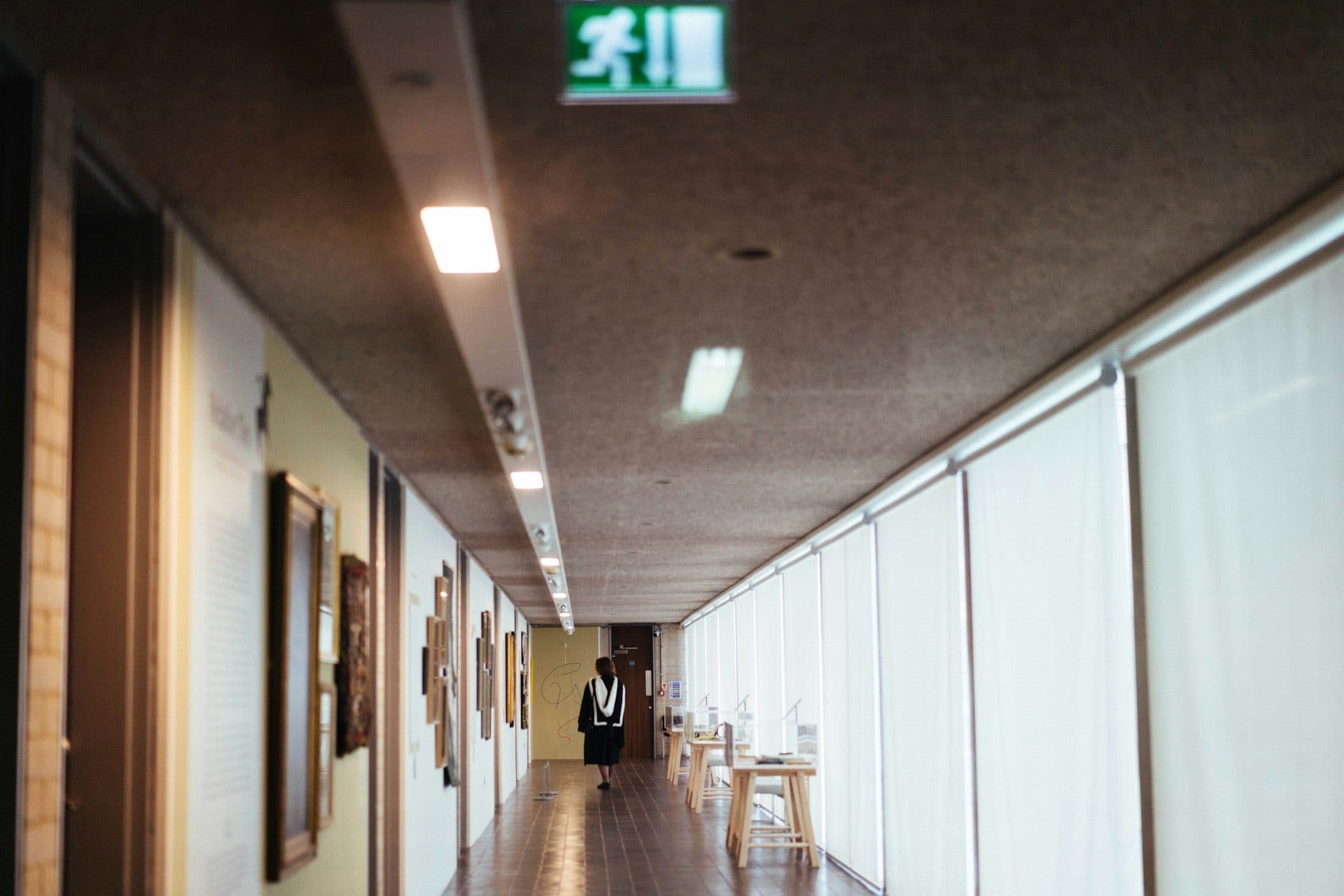
Our aim is to ensure fire safety remains properly managed throughout the project, not simply when the completed installation is handed over.
Noise, Dust and the School Timetable
We recognise that construction activities can be disruptive to the school environment, particularly when works involve electrical rewires, drilling, strip-out and other building alterations.
At Pritchard Group, the majority of our school projects are undertaken during school holidays and evenings, allowing us to carry out substantial works while minimising disruption to teaching and learning.
Working outside normal school hours also enables us to coordinate multiple trades and progress works across several classrooms, corridors or buildings simultaneously.
Planning Around the School Calendar
For larger projects that extend beyond holiday periods, we agree suitable working arrangements with the school and appointed consultant.
Particular consideration is given to examination periods, school events, access requirements and activities that may be affected by construction.
Noise and dust are managed through appropriate working methods, site segregation, housekeeping and planned construction activities.
| Type of Work | Typical Arrangements |
|---|---|
| Strip-out, drilling and chasing | School holidays and evenings |
| Electrical rewires and distribution upgrades | School holidays and out-of-hours working |
| Fire alarm replacements and upgrades | Planned around agreed access and fire safety arrangements |
| Mechanical installations and plant replacements | School holidays and agreed working periods |
| Suspended ceilings and refurbishment | Holiday and evening programmes |
| Testing and commissioning | Coordinated with the construction programme and school requirements |
| Deliveries and waste removal | Planned around site access and school activities |
Our programmes are tailored to each project, recognising that larger schemes may require works to continue across multiple school terms.
Communication and Progress Updates
Good communication is essential when carrying out construction works in schools. Headteachers, site managers and appointed consultants need to know how the project is progressing, what works are planned and whether anything could affect the school’s operations.
At Pritchard Group, each project has a designated point of contact, ensuring the school and consultant know who to speak to throughout the works.
Our project managers provide regular progress updates, including look-ahead programmes where appropriate, identifying upcoming activities, planned shutdowns and key project milestones.
Where issues arise, we believe in addressing them early and working with the school and consultant to agree a practical solution.
Our aim is simple: keep everyone informed, avoid unnecessary surprises and maintain a good working relationship throughout the project.
Planning Work Areas and Handover
Depending on the size and scope of the project, we may have several teams working across different classrooms, corridors or school buildings at the same time.
During school holidays and evening working periods, this allows us to make the most of the available time, coordinating electrical, mechanical, fire safety and refurbishment works across multiple areas.
Our project managers oversee the programme, ensuring the different trades are coordinated and works progress in the correct sequence.
As areas are completed, the necessary inspections, testing and quality checks are undertaken before they are handed back to the school.
For larger projects extending over several months, phased handovers can be arranged where required, allowing completed areas to return to use while works continue elsewhere.
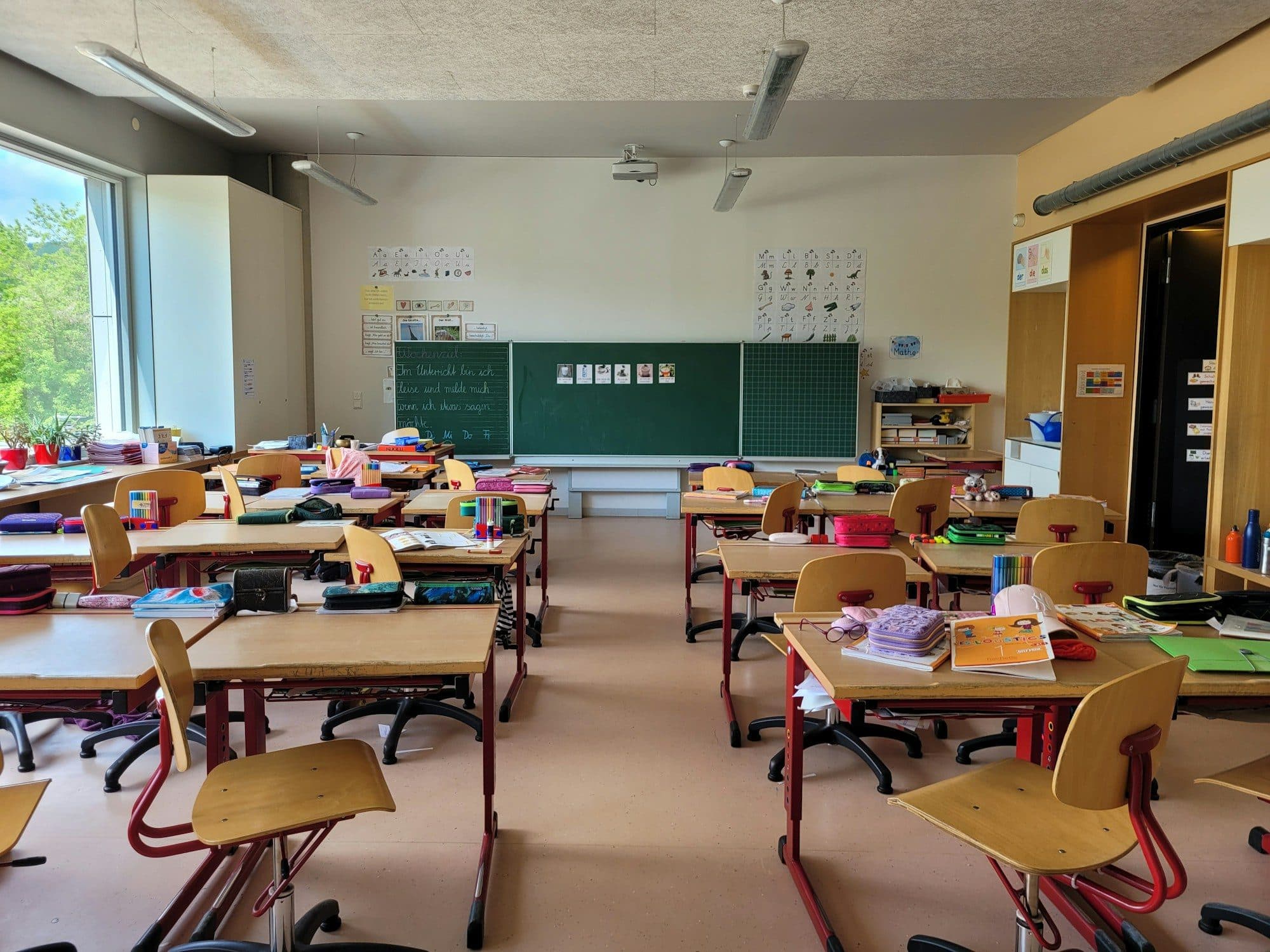
Example: Delivering a School Electrical Rewire
A full school electrical rewire can involve several buildings, classrooms and corridors, often alongside fire alarm replacements, emergency lighting upgrades and suspended ceiling works.
For projects of this nature, we aim to maximise the school holiday periods, when multiple teams can work across different areas simultaneously without disrupting normal teaching activities.
- 1
Planning the Works
Before starting, we agree the construction programme, working hours, site arrangements and any planned electrical shutdowns with the school and appointed consultant.
- 2
School Holiday Working
During the holidays, our teams undertake the main installation works across multiple areas of the school. Electrical, fire safety and ceiling installations are coordinated to make effective use of the available time.
- 3
Evening Working During Term Time
Where the programme extends into term time, works continue during agreed evening periods, allowing the project to progress while minimising disruption to lessons and school activities.
- 4
Inspection, Testing and Handover
As installations are completed, the necessary inspections, testing and certification are undertaken. Completed areas are handed back in accordance with the agreed programme and project requirements.
This approach allows us to deliver substantial electrical improvement projects over several months, while working around the school’s operational needs.
Frequently asked questions
Can electrical and fire alarm works be carried out during term time?
Yes. Whilst we aim to undertake the majority of our school works during holiday periods, larger projects often extend into term time. In these circumstances, we typically programme works during evenings and other agreed out-of-hours periods to minimise disruption to teaching and school activities.
What safeguarding checks do contractors need to work in a school?
Safeguarding requirements depend on the nature of the work and the arrangements established by the school. Before commencing, we confirm the necessary checks and procedures, including DBS requirements, site inductions, identification, access controls and supervision.
Our team includes personnel who hold Enhanced DBS checks, and we work with school representatives to ensure appropriate safeguarding arrangements are maintained throughout the project.
Will the school be left without a working fire alarm during replacement works?
Fire alarm replacements are carefully planned with the school and appointed consultant. Where parts of an existing system need to be isolated, appropriate temporary fire safety arrangements are agreed with the school’s responsible person or their representative before the affected works proceed.
Depending on the installation, this may include phased changeovers, temporary detection or other suitable measures to manage fire safety throughout the replacement programme.
How do you avoid disrupting examinations and normal school activities?
We plan our construction programmes around the school’s timetable, including examinations, events and other important activities.
By undertaking the majority of our works during school holidays and evenings, we can minimise disruption to teaching. Where works must take place during school hours, activities are coordinated with the school to manage noise, access and any potential impact on building users.
Sources and further reading
- Keeping Children Safe in Education (gov.uk)
- Regulatory Reform (Fire Safety) Order 2005 (legislation.gov.uk)
- Construction (Design and Management) Regulations 2015, HSE
- Fire safety risk assessment: educational premises (gov.uk)
This article is general guidance based on our experience and the published sources above. It is not legal advice. Always check the current regulations and guidance for your project.